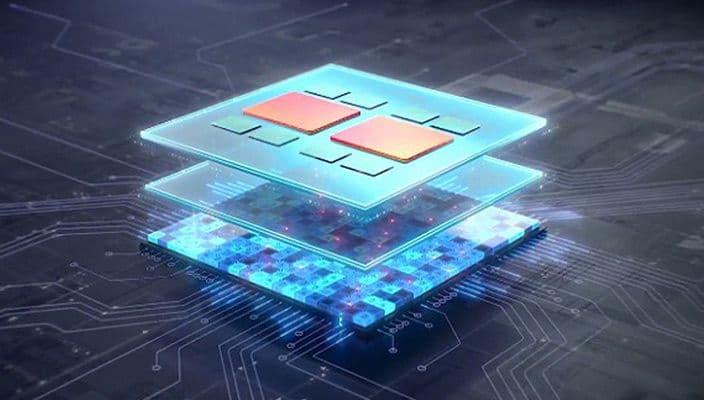
What is semi-conductor
I'll explain now
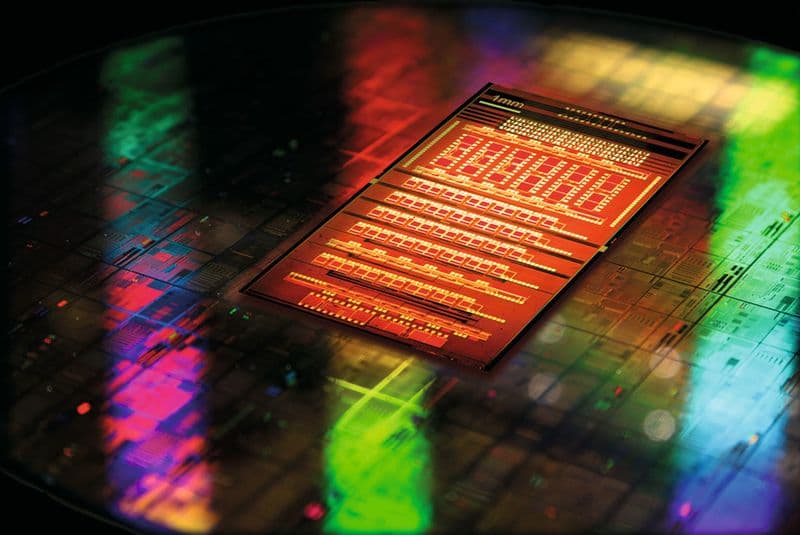
What Is a Semiconductor? A Beginner’s Guide
Semiconductors are the foundation of modern technology. From smartphones and laptops to electric vehicles, medical equipment, and satellites, nearly every electronic device relies on semiconductor components to function. Despite their widespread use, many people are unfamiliar with what semiconductors actually are and why they are so important.
Understanding Semiconductors
A semiconductor is a material whose electrical conductivity falls between that of a conductor (such as copper) and an insulator (such as glass). This unique property allows engineers to precisely control the flow of electricity, making semiconductors the ideal material for building electronic components.
Silicon is the most commonly used semiconductor material because it is abundant, reliable, and cost-effective. Other semiconductor materials, such as gallium nitride (GaN) and silicon carbide (SiC), are increasingly used in applications requiring higher power, faster switching speeds, and improved efficiency.
How Semiconductors Work
The electrical properties of semiconductors can be modified through a process called doping, where small amounts of impurities are introduced into the material. This creates regions with different electrical characteristics, allowing components such as diodes and transistors to control electrical current with exceptional precision.
Billions of these microscopic transistors are integrated onto a single semiconductor chip, enabling today’s processors and memory devices to perform complex computations at incredible speeds.
Common Applications
Semiconductors are found in almost every modern industry, including:
- Consumer electronics such as smartphones, laptops, and gaming consoles
- Automotive systems, including electric vehicles and autonomous driving technologies
- Telecommunications and 5G infrastructure
- Artificial intelligence and high-performance computing
- Industrial automation and robotics
- Medical imaging and diagnostic equipment
- Renewable energy systems and power electronics
Why They Matter
As digital transformation accelerates across industries, semiconductors continue to play an increasingly vital role. Advances in semiconductor technology enable faster computing, lower power consumption, improved connectivity, and more intelligent devices.
Emerging materials such as GaN and SiC are also expanding the possibilities for power electronics, making energy systems more efficient while supporting innovations in electric mobility, aerospace, and renewable energy.
The Future of Semiconductor Technology
The semiconductor industry continues to push the boundaries of performance and efficiency through advanced manufacturing processes, new materials, and innovative device architectures. As demand for AI, edge computing, autonomous systems, and next-generation communication networks grows, semiconductor innovation will remain at the center of technological progress.
Whether powering a smartwatch or a data center serving millions of users, semiconductors are the invisible engines driving the modern digital world.